
Nutrition
Fibremaxxing: A Dietitian’s Take on All the Hype
24 October 2026
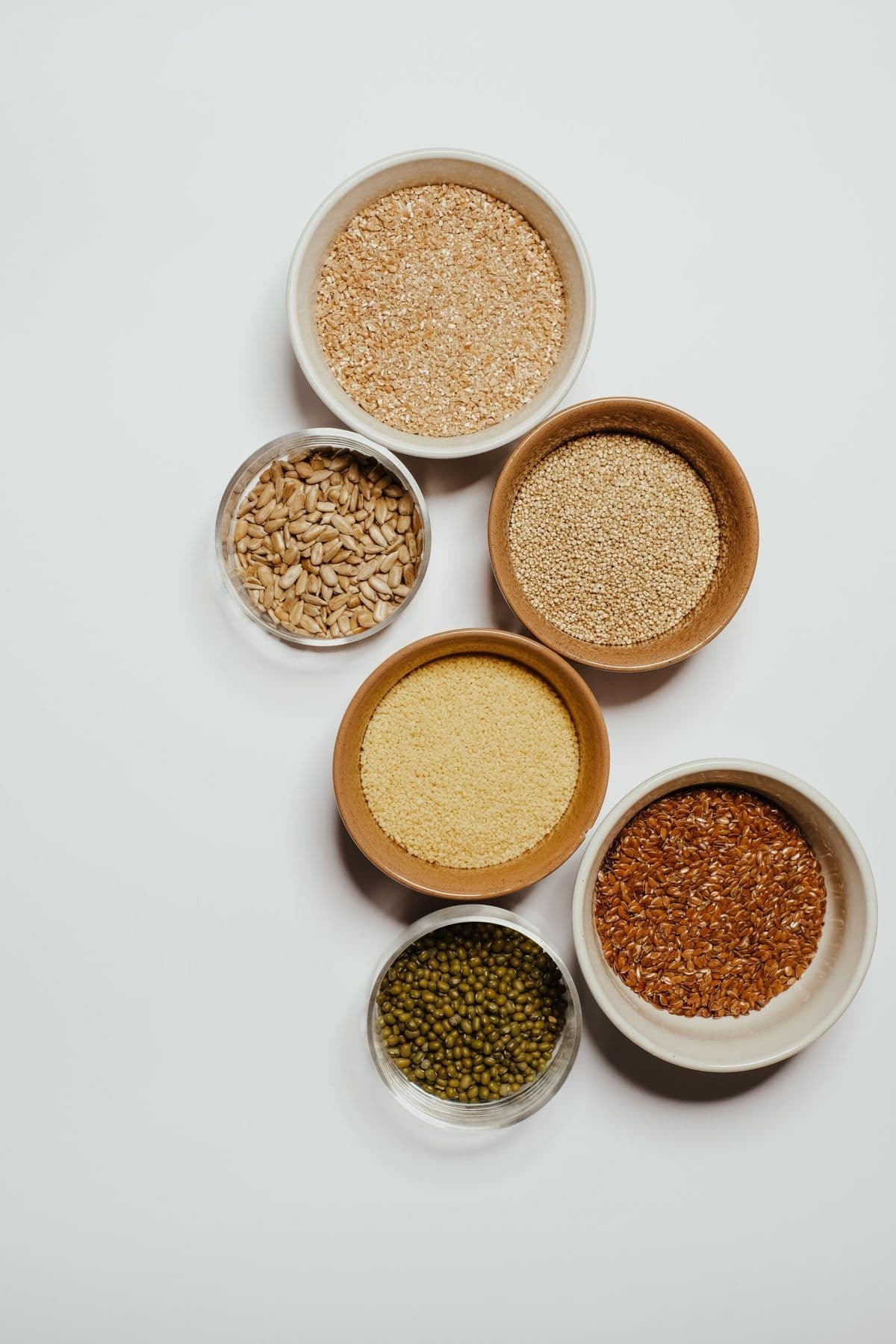
First it was protein, and now it's fibremaxxing. Another wellness trend making its way around social media, endorsed by influencers, health professionals and just about everyone in between.
As a dietitian, I'm all for encouraging people to eat more fibre. But I do find the term fibremaxxing a little ironic. It's something we've been recommending for years, but give it a catchy name, have a few influencers post about it, and suddenly we're all on board!
Don't get me wrong, I'm all for good nutrition advice reaching more people. But we're not exactly reinventing the wheel here.
For most adults, we're talking about roughly 25–30 g of fibre per day. Yet, according to the UK National Diet and Nutrition Survey (2019–2023), only 4% of UK adults meet their recommended 30 g daily target.
So maybe the goal isn't really to max anything, but simply to get enough.
And something else I find interesting? We're constantly being encouraged to reduce carbohydrates while simultaneously being told to eat more fibre. Yet wholegrains, oats, legumes and fruit are some of our best fibre sources. Perhaps we need to stop giving carbohydrates such a hard time!
Why All the Fuss About Fibre?
Fibre does far more than keep our bowels moving!
Higher-fibre diets are associated with a lower risk of cardiovascular disease, type 2 diabetes and bowel cancer. Fibre also supports bowel regularity, cholesterol management, blood glucose regulation and our gut microbiome.
There are two main categories: soluble fibre, which includes types that help lower cholesterol and manage blood glucose, and insoluble fibre, which generally helps add bulk to stools and support regularity. Different fibres do different jobs, which is why variety matters.
Fibre can also help us feel more satisfied after meals. But as a dietitian, when someone tells me they're constantly hungry, I always ask: Have you actually eaten enough? Because satisfaction isn't just about fibre. It's about having enough food and balanced meals.
So, What Does Fibremaxxing Look Like?
First things first, assess where you're at and see where you can go.
Rather than focusing on what we can't eat, let's flip the conversation to what we could add.
Two eggs for breakfast? Great source of protein, but virtually no fibre. Add wholegrain sourdough and some raspberries, and you could have around 10 g of fibre in that meal, depending on your portions.
Same eggs, just a few additions!
Some easy fibre boosters include wholegrain breads, avocado, chia seeds, raspberries, kiwi fruit, oats, lentils, chickpeas and nuts.
And remember, fibre is naturally found in plant foods. You don't need to overhaul your entire diet to get more of it.
The key is consistency — making fibre-rich foods a regular part of your meals rather than something you occasionally try to max out.
But What About Bloating?
Here's the thing: our gut doesn't always love sudden changes.
Going from very little fibre to loading every meal with chia seeds, lentils and bran can leave you feeling bloated, gassy and uncomfortable.
Start small and build gradually. Spread fibre-rich foods across your meals, drink enough fluids and pay attention to your own tolerance. This is particularly important if you have IBS or other digestive conditions.
My Final Thoughts
Am I here for people eating more fibre? Absolutely.
Do we need to turn it into another nutrition competition? Absolutely not.
And no, you don't need to track every gram either.
My advice? Start where you're at. Add more variety to meals you already enjoy, be consistent and give your gut time to adjust.
Because good nutrition doesn't have to be about maximising everything. Sometimes it's simply about getting enough.